Who Are We?
Prehistoric Body Theater creates deep-time animal dance, bringing an embodied celebration of humanity's shared evolutionary ancestry to the stage and screen. Founded in 2017, we are a collective experimental performance company based in Central Java, Indonesia. Our work fuses Indonesian traditional performance and cultural knowledge with cutting-edge stagecraft and collaborative research with an international panel of mentor paleontologists.
Co-artistic directors Dr. Ari Dharminalan Rudenko and Sofyan Joyo Utomo lead an ensemble of 15 Indonesian performing artists who share a passion for nature conservation, education, and experimental performance-making. In 2025, Prehistoric Body Theater completed their U.S. debut tour at Jacob's Pillow Dance Festival and Asia Society NYC, followed by a month-long residency with paleontologists at Montana's Hell Creek Formation.



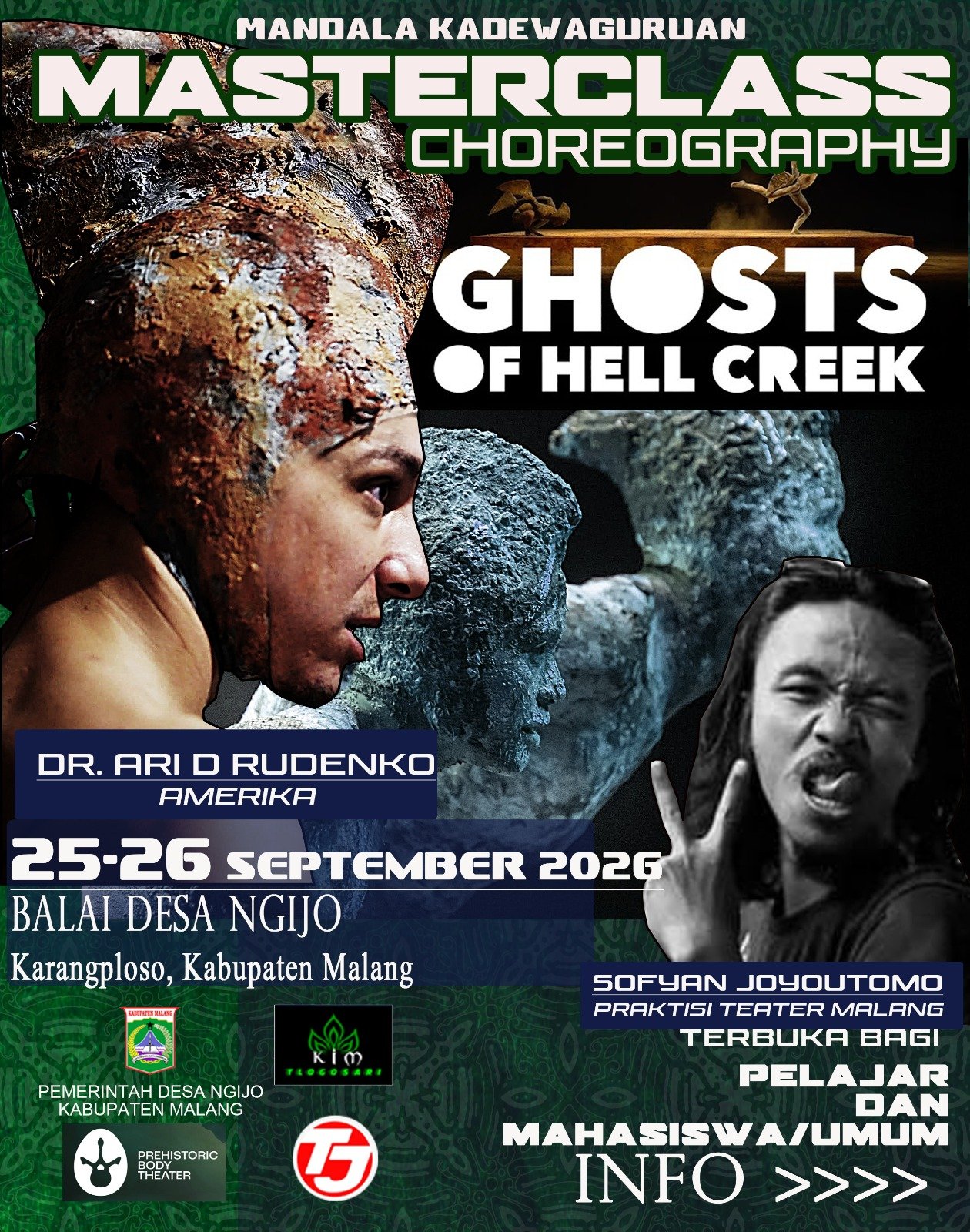
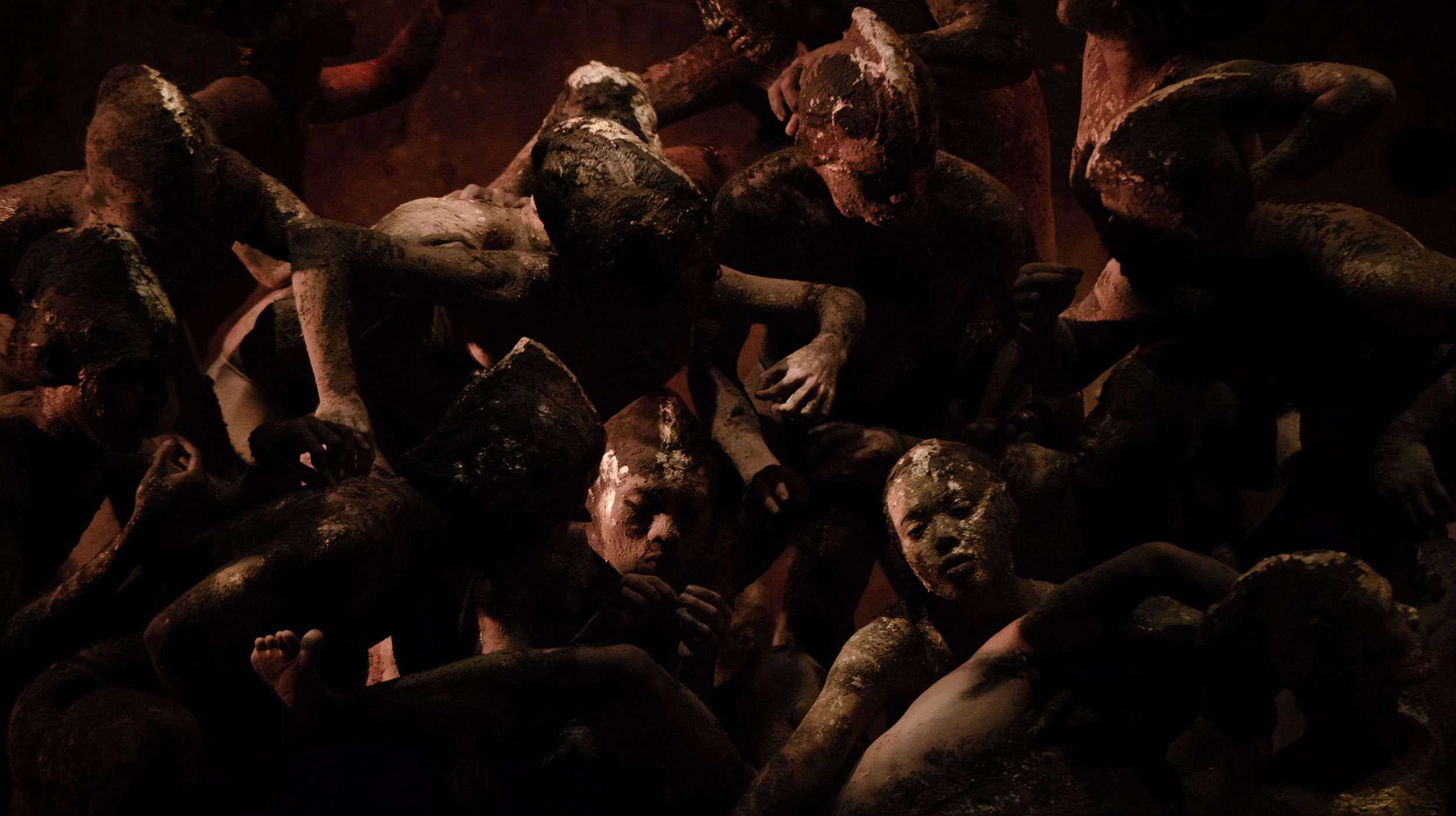
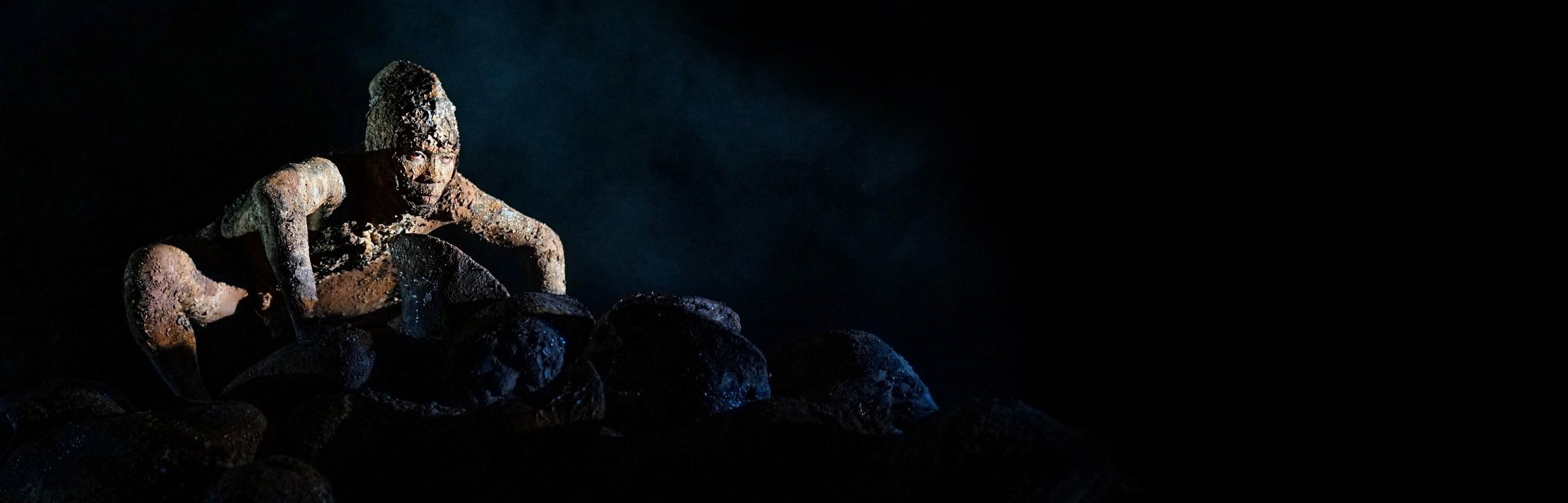
66 million years ago, an asteroid hit the Earth with the force of a billion atomic bombs. The ensuing global mass extinction event marks the end of the reign of the dinosaurs and the dawn of the age of mammals. Ghosts of Hell Creek tells the story of Acheroraptor, the last feathered raptor dinosaur to prowl the Hell Creek jungles of prehistoric Montana 66 million years ago, before its annihilation in the wake of the apocalyptic asteroid impact. The work then celebrates the miraculous survival of humanity’s ancient primate ancestor Purgatorius, who rose from the ashes and thrived on the first fruit as the world was born anew.
Ghosts of Hell Creek is Prehistoric Body Theater’s first flagship dance-theater production, crafted like a mesmerizing clay-textured diorama, activated by full-body clay costumery, intricate lighting, and an immersive musical score undulating with experimental gamelan motifs.
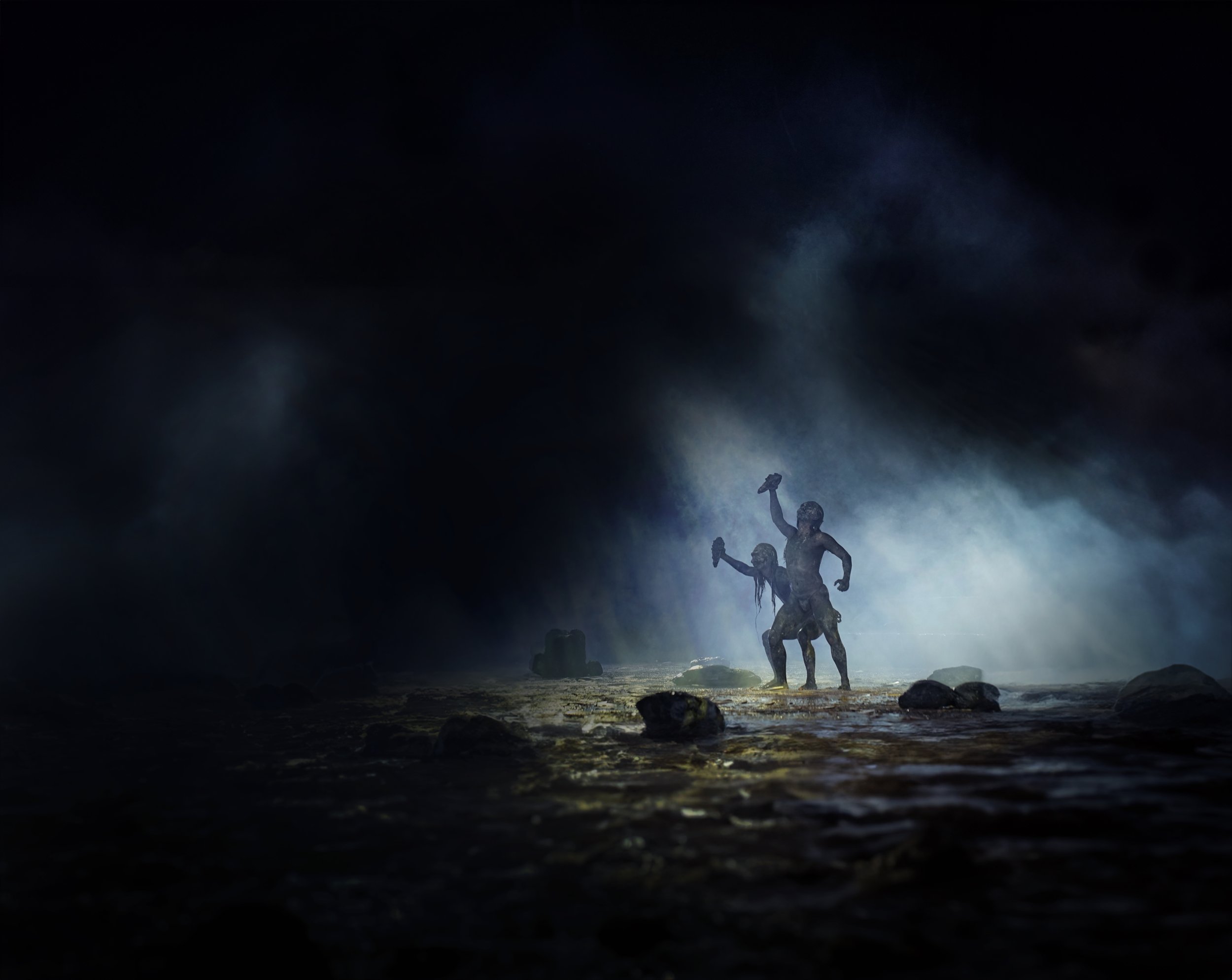

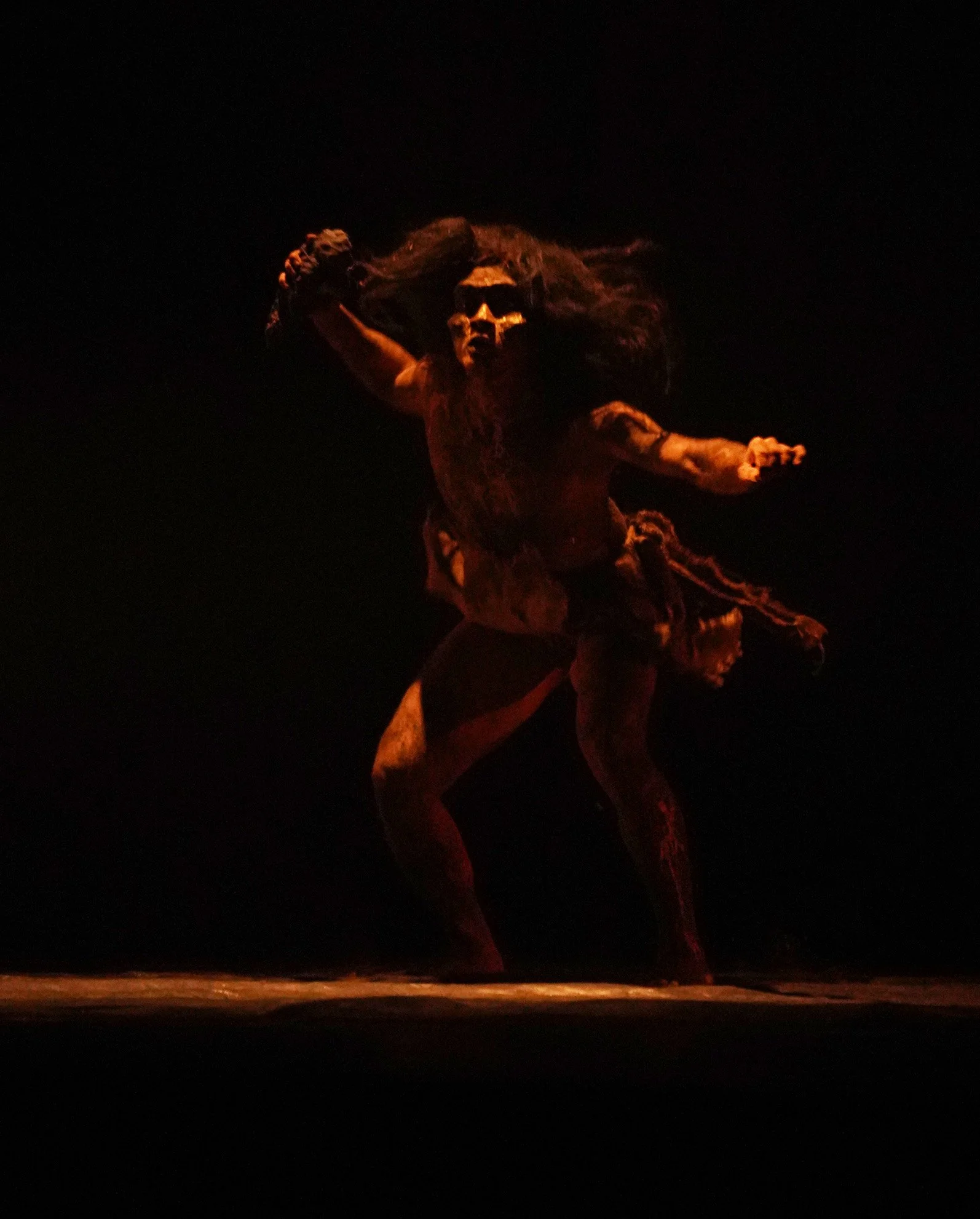
Prehistoric Body Theater’s ongoing cycle of dance-theater works exploring the embodiment of Homo erectus, humanity's hominid ancestor.
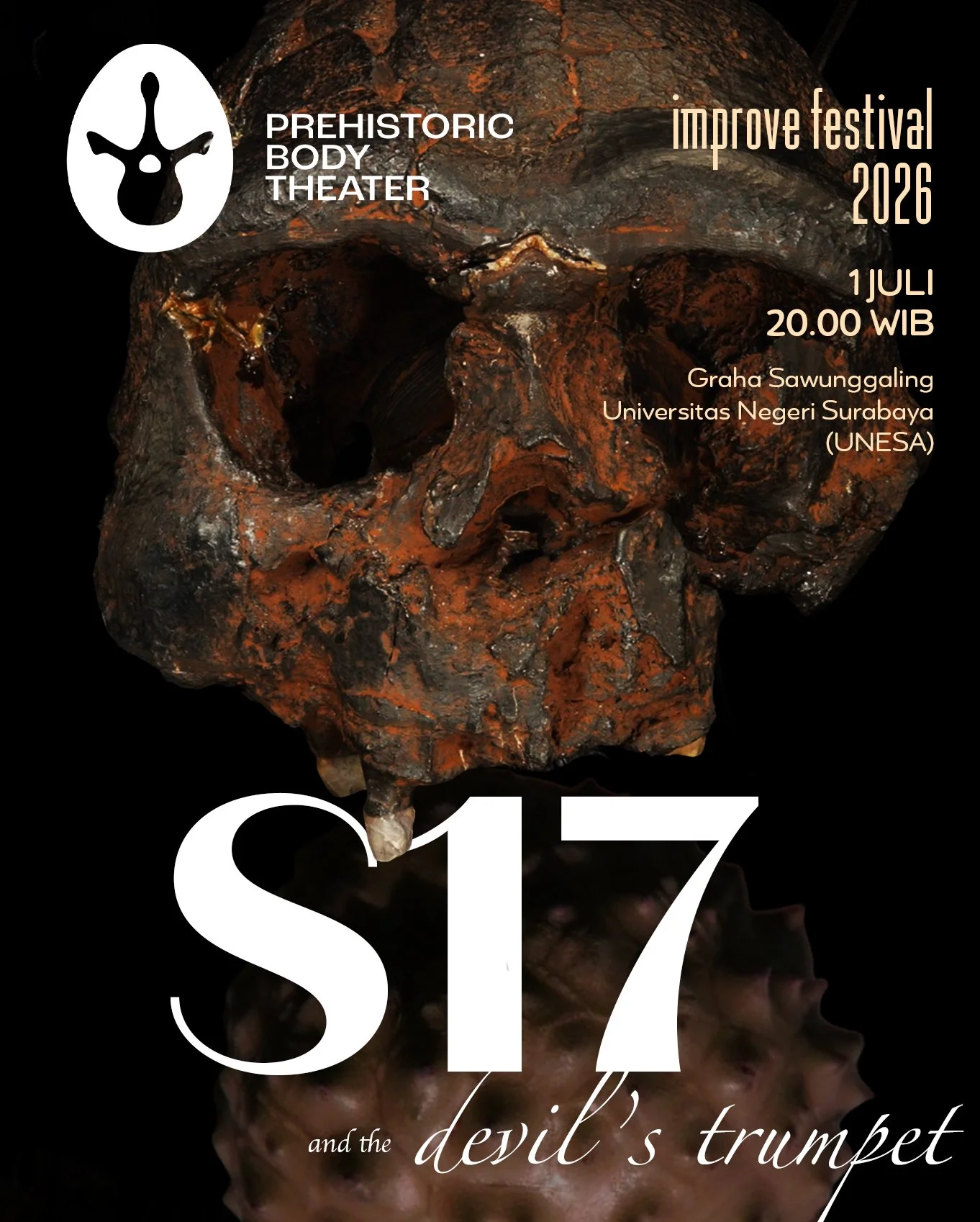
Close to Prehistoric Body Theater's home base in Central Java, the Sangiran UNESCO World Heritage Site has yielded some of the most important hominid fossils ever discovered. Among them is Sangiran 17, the most complete Homo erectus skull ever found, a specimen that has allowed scientists to reconstruct the face of a being who lived on the volcanic slopes of Java approximately one million years ago.
Since 2022, PBT has been developing a body of works around this investigation, each one approaching Homo erectus from a different angle, in a different context, through a different performance modality. The cycle draws on intensive research residencies at the Sangiran Museum, collaboration with local elders who discovered the original fossils, and extended embodiment investigations in Javan wilderness. New works continue to emerge as the investigation deepens.

CALENDAR